What Do We Mean by Intelligence?
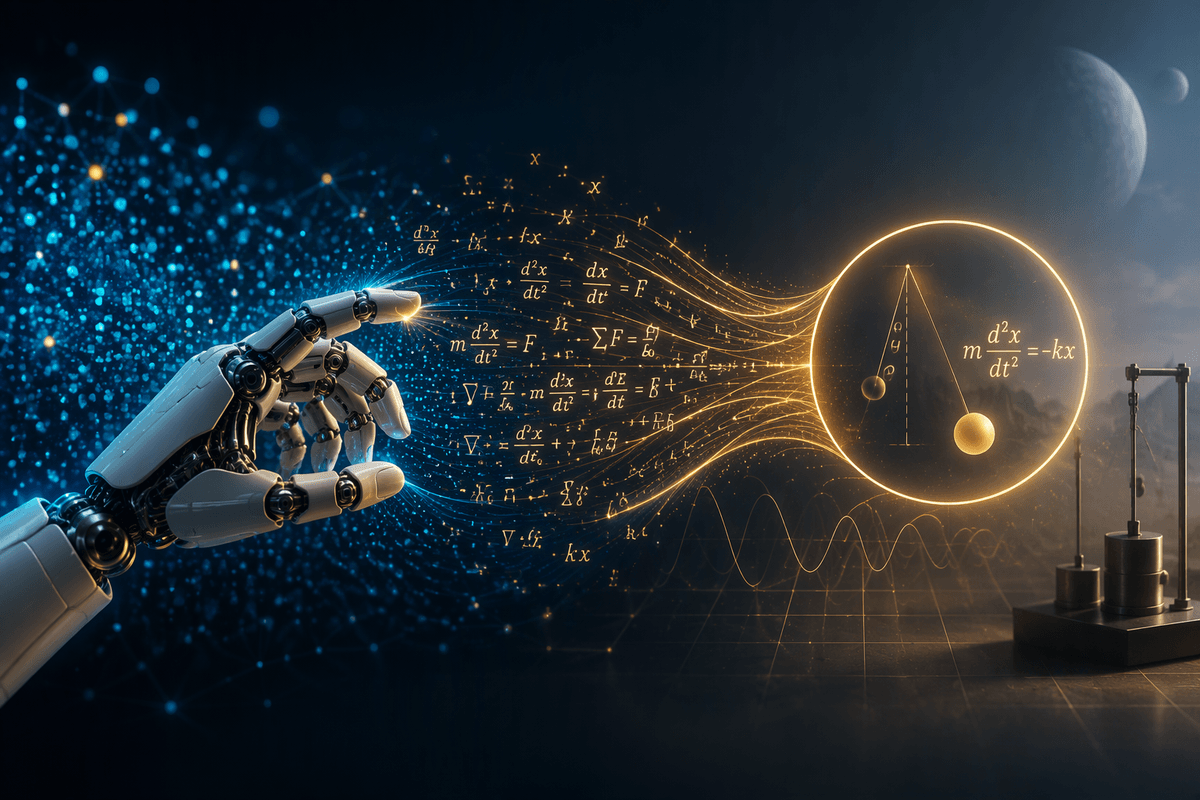
When people call a system intelligent, they may mean very different things. A student who solves a new problem, a mechanic who diagnoses an unfamiliar fault, and a conversational assistant that explains a difficult idea all display competence, but not in exactly the same way. Intelligence can involve learning, reasoning, adapting to new situations, recognizing patterns, using knowledge, or pursuing goals effectively.
That distinction matters because fluent language is only one visible sign of capability. A system may produce clear, confident answers without understanding them as a person would. Another may perform a narrow task with remarkable accuracy while failing outside familiar conditions. Treating intelligence as a single scale encourages confusion. A more useful question is not whether AI is intelligent in the abstract, but what kind of ability it demonstrates, under which conditions, and with what limits.
Why AI Performance Can Mislead Us
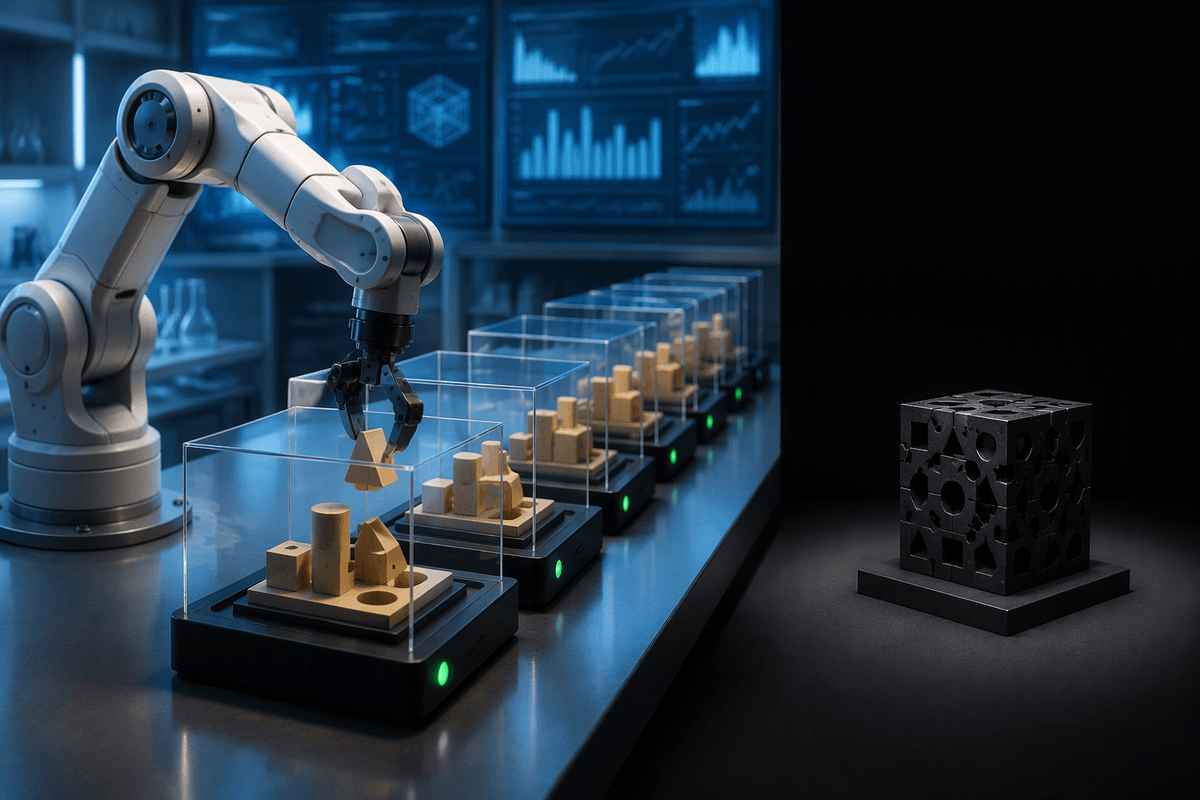
A familiar pattern appears whenever an AI system performs well: a polished answer creates the impression that the system must also understand the subject deeply. Language makes this effect especially strong. A response can be coherent, detailed, and appropriately confident even when it contains a subtle mistake, misses an important assumption, or follows a familiar pattern without examining the underlying problem.
Benchmarks can create a similar impression. They measure performance on selected tasks, often under controlled conditions, but success may depend on memorized examples, predictable formats, or carefully framed prompts. That does not make the result meaningless; reliable performance is a real capability. It does mean the result should not automatically be treated as evidence of broad reasoning or flexible understanding. Human abilities are also uneven, but people usually bring background knowledge, practical experience, and an ability to notice when a situation has changed. AI systems may excel at producing likely answers while struggling with unusual cases, ambiguous goals, or information that conflicts with their learned patterns. The central challenge is separating visible competence from the deeper abilities a task appears to require.
The Capabilities AI Actually Demonstrates
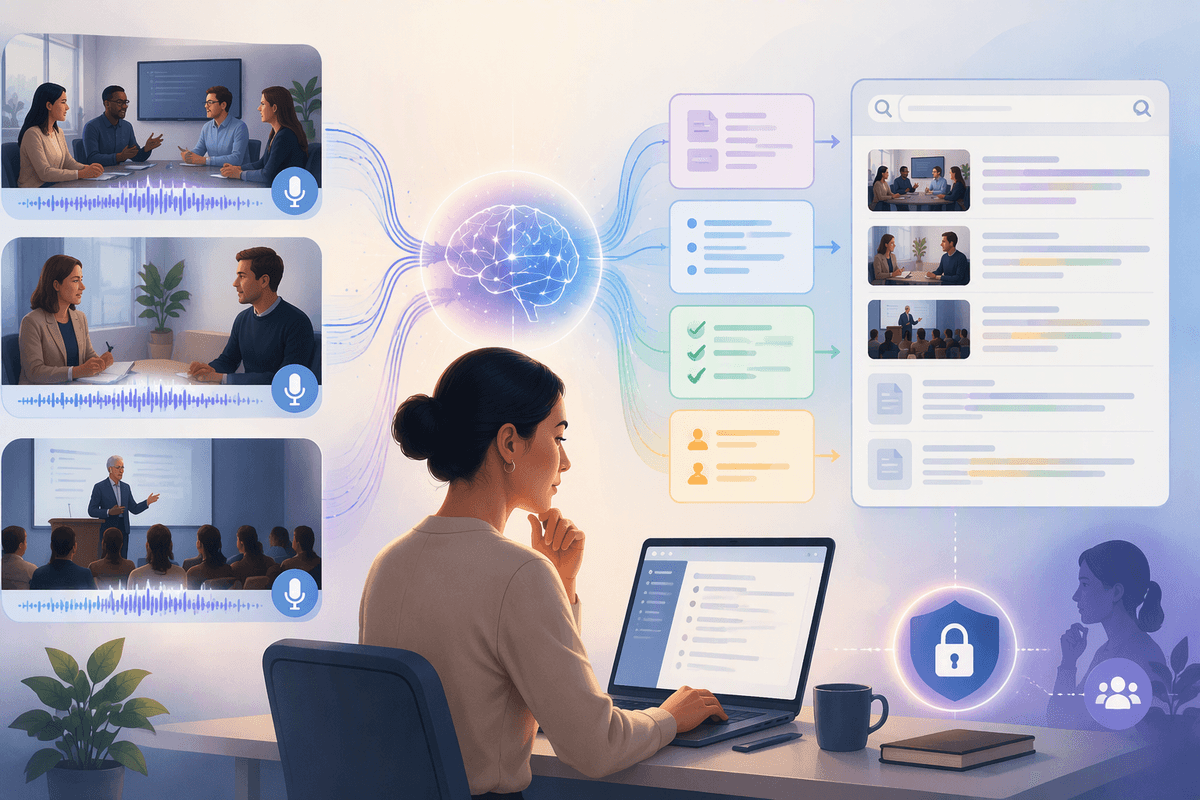
Viewed more carefully, AI systems demonstrate several real and useful capabilities. They can identify patterns across large amounts of information, generate and revise language, translate between languages, summarize documents, classify images, write software, and adapt their responses to instructions. In some settings, they can also combine information, follow multi-step procedures, and solve problems that were not presented in exactly the same form as their training examples.
These abilities are not merely decorative. A system that reliably extracts key details from thousands of reports or helps a programmer locate an error is displaying competence that can save time and extend human reach. Yet the capabilities are uneven. An AI may reason effectively when the relevant facts are clear and the task has a recognizable structure, then fail when evidence is incomplete, instructions conflict, or a small mistake changes the outcome. It can also imitate explanation without consistently tracking whether its claims are true. The most accurate description is therefore capability-specific: AI can be highly capable at pattern-based prediction, language manipulation, and structured problem solving, without possessing a single, general form of understanding.
Where Human Intuition Still Breaks Down

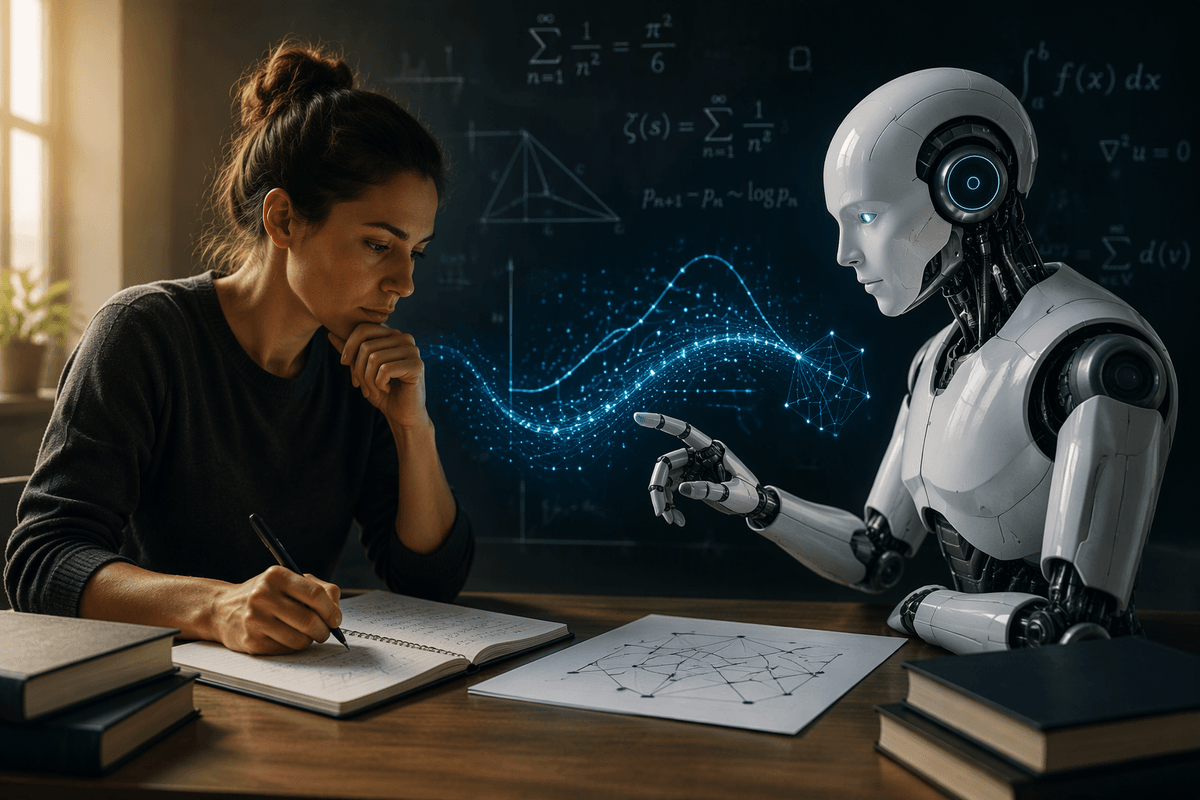
Human intuition often treats familiar signals as proof of deeper understanding. When an AI explains a legal clause, diagnoses a technical problem, or responds with empathy, readers naturally infer that it grasps the situation in a human-like way. That inference can be useful, but it is not always reliable. The system may recognize linguistic cues and produce an appropriate response without forming a stable picture of the people, goals, and consequences involved.
The weakness becomes clearer when circumstances shift. A person may notice that a request is underspecified, question an unusual premise, or draw on physical and social experience to interpret what is happening. AI can miss these cues, especially when they are implied rather than stated. It may also continue confidently after an early error, because maintaining a plausible pattern is easier than recognizing that the entire approach needs to change. Human judgment is hardly flawless, but it includes forms of common sense grounded in bodies, relationships, and consequences. AI can reproduce parts of that judgment in language while lacking the dependable connection to the world that makes those judgments meaningful.
Is Human-Like Thinking the Right Standard?
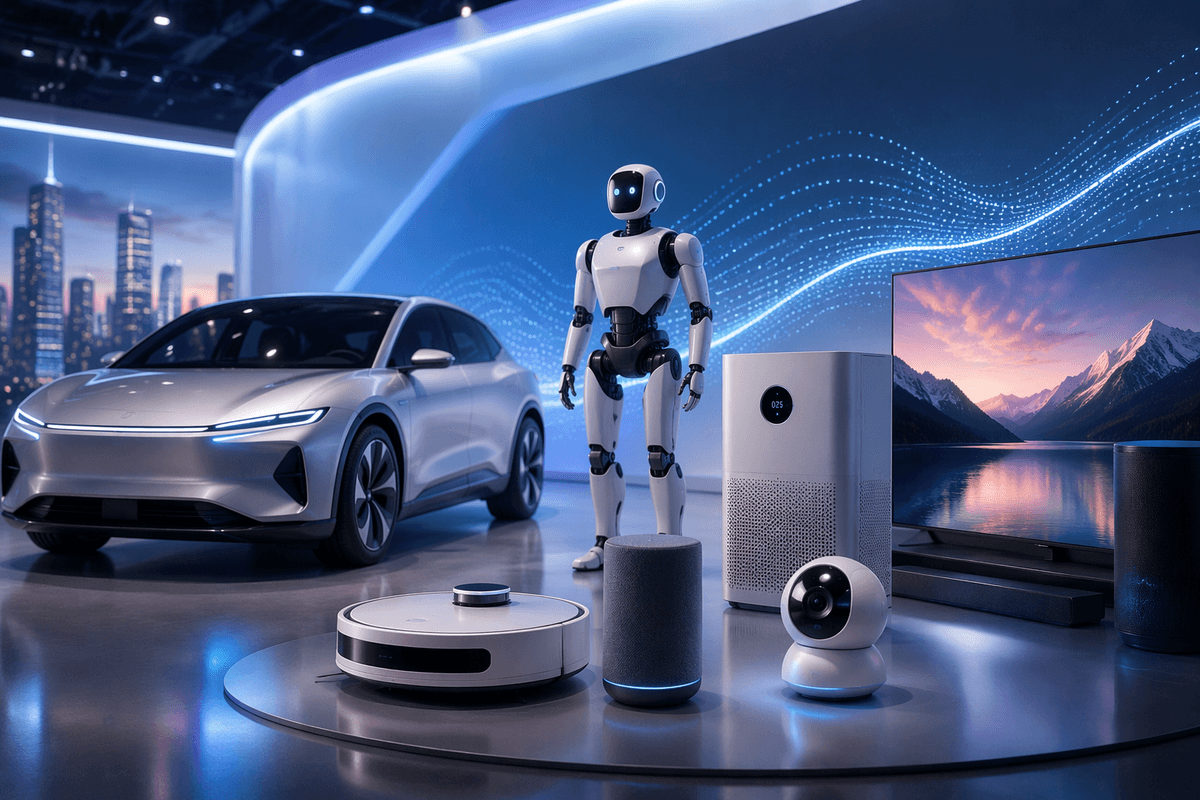
It is tempting to make human-like thought the final test: if an AI does not understand, reason, or experience the world as people do, perhaps its performance should not count as intelligence. That standard has some value. Human cognition remains the clearest example of flexible learning, practical judgment, and goal-directed behavior that we know firsthand. But it can also narrow the question too much. A navigation system does not need human spatial imagination to find a route, and a medical image model does not need a clinician’s life experience to detect patterns that deserve attention.
The more useful comparison depends on the purpose of the system. For some tasks, human-like judgment is essential because errors carry social, moral, or physical consequences. For others, a different form of competence may be enough, provided its boundaries are understood and its results can be checked. AI often appears human-like in conversation while operating differently underneath. Evaluating it only by resemblance risks both overestimating its understanding and overlooking abilities that do not resemble ours. Intelligence may be better treated as a set of capacities, with human-like thought as one important form rather than the universal standard.
A Better Way to Evaluate AI Intelligence
A better evaluation begins with the task rather than the label. Ask what the system must do, what information it can use, and what would count as failure. A useful test should include unfamiliar examples, incomplete or conflicting instructions, and opportunities to correct an earlier mistake. It should also compare performance across conditions: does the system reach the right answer only when the format is predictable, or can it adapt when the problem changes?
Evaluation should separate several abilities that are often bundled together. Accuracy tests whether the answer is correct; reasoning tests whether the steps remain sound; robustness tests whether small changes cause failure; and explanation tests whether the stated justification matches the process that produced the answer. Real-world reliability adds another requirement: can people verify the result, recognize uncertainty, and recover when the system is wrong? These standards will not produce one final intelligence score, and that is a benefit rather than a flaw. They replace a vague comparison with a practical profile of strengths, weaknesses, and operating limits. Such a profile makes it easier to use AI where its capabilities are valuable without treating fluent output as evidence of understanding it has not demonstrated.
Think in Capabilities, Not Grand Labels
In practice, this means replacing questions like “Is AI truly intelligent?” with more specific ones. Can it recognize patterns in unfamiliar data? Follow a chain of reasoning? Explain uncertainty? Transfer what it has learned to a changed situation? Notice when a request is unsafe or underspecified? Each question points to a different capability, and each may require a different test.
This approach also supports better decisions. A system may be valuable for drafting, searching, or detecting regularities while remaining unsuitable for unsupervised judgments about health, law, employment, or safety. Its usefulness depends not only on how impressive its answers appear, but on whether its limits are visible and manageable. Thinking in capabilities avoids both inflated claims and easy dismissal: AI need not think like a person to be powerful, yet power in one task does not prove understanding everywhere.