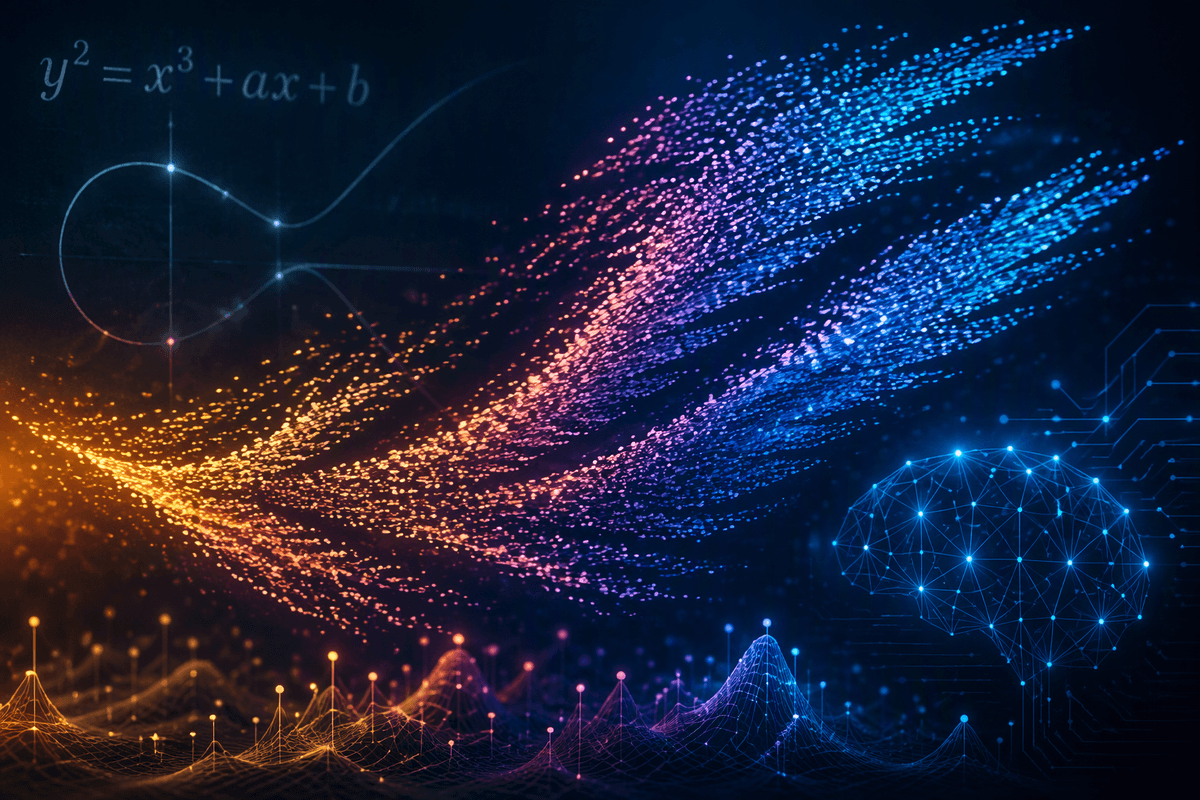
Why Mathematics Exposes AI’s Weaknesses
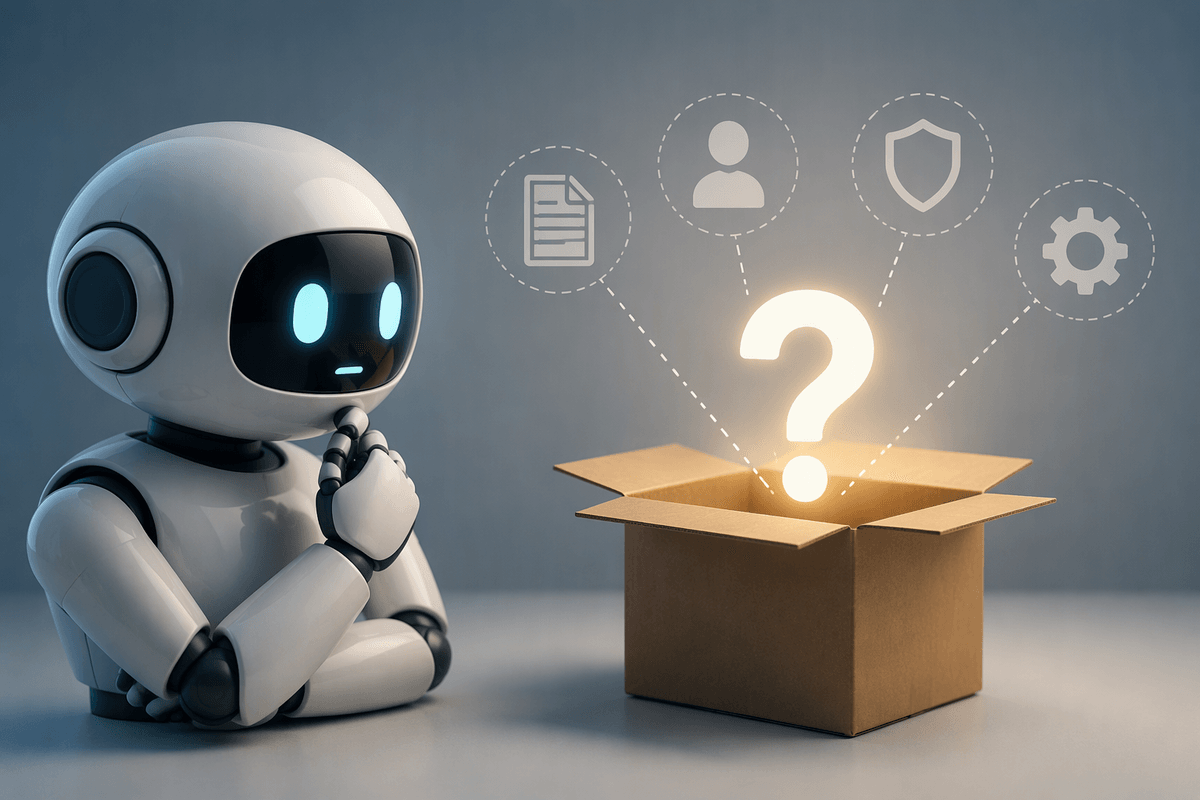
A computer can recognize a face, summarize an article, or predict the next word with impressive fluency, yet still make a basic algebra mistake. Many AI systems learn statistical patterns from examples, so they can produce an answer that looks plausible without reliably tracking every rule used to reach it.
Mathematics makes this weakness easy to see because a small error can invalidate an entire solution. The order of operations, a hidden assumption, or a sign copied incorrectly may matter more than the overall pattern. Human readers often notice when reasoning does not hold together; a pattern-based system may continue confidently. Reliable mathematical problem-solving therefore requires more than recognizing familiar forms. It requires keeping track of rules, intermediate steps, and whether the final result actually follows from them.
What Neural Networks Handle Well
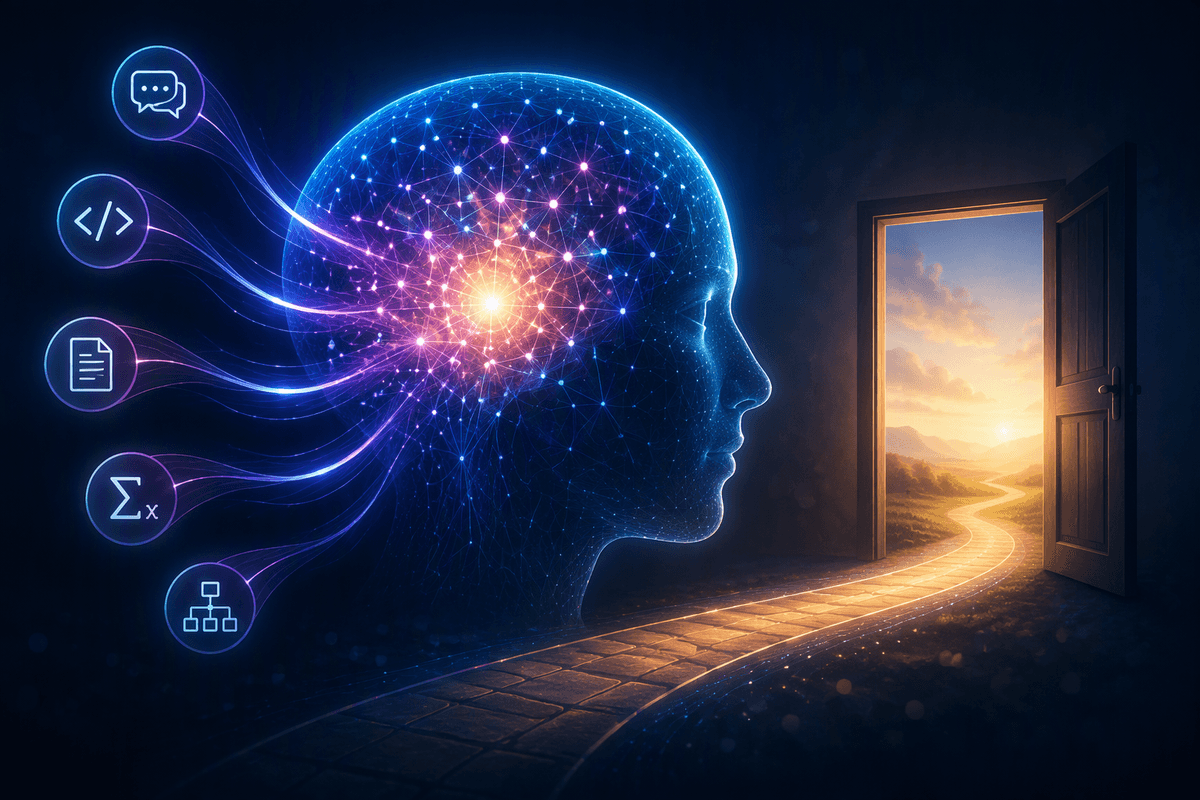
Neural networks are not poor at every kind of mathematical work. They are often useful when the task depends on recognizing patterns across many examples. A system can learn that certain words usually signal a geometry problem, that a graph resembles a familiar curve, or that a handwritten equation contains a likely symbol. It can also estimate answers quickly when exact precision is less important, such as predicting a trend in noisy data or suggesting a likely next step.
These strengths come from flexibility. Neural networks can work with incomplete information, tolerate variation in how a problem is phrased, and connect ideas that do not follow a fixed script. That makes them valuable for translating natural-language questions into mathematical form or identifying which method might apply. A plausible suggestion is not the same as a verified derivation. Once a problem requires exact rules to be maintained across several steps, pattern recognition alone becomes much less dependable.
Where Pattern Recognition Starts Breaking Down
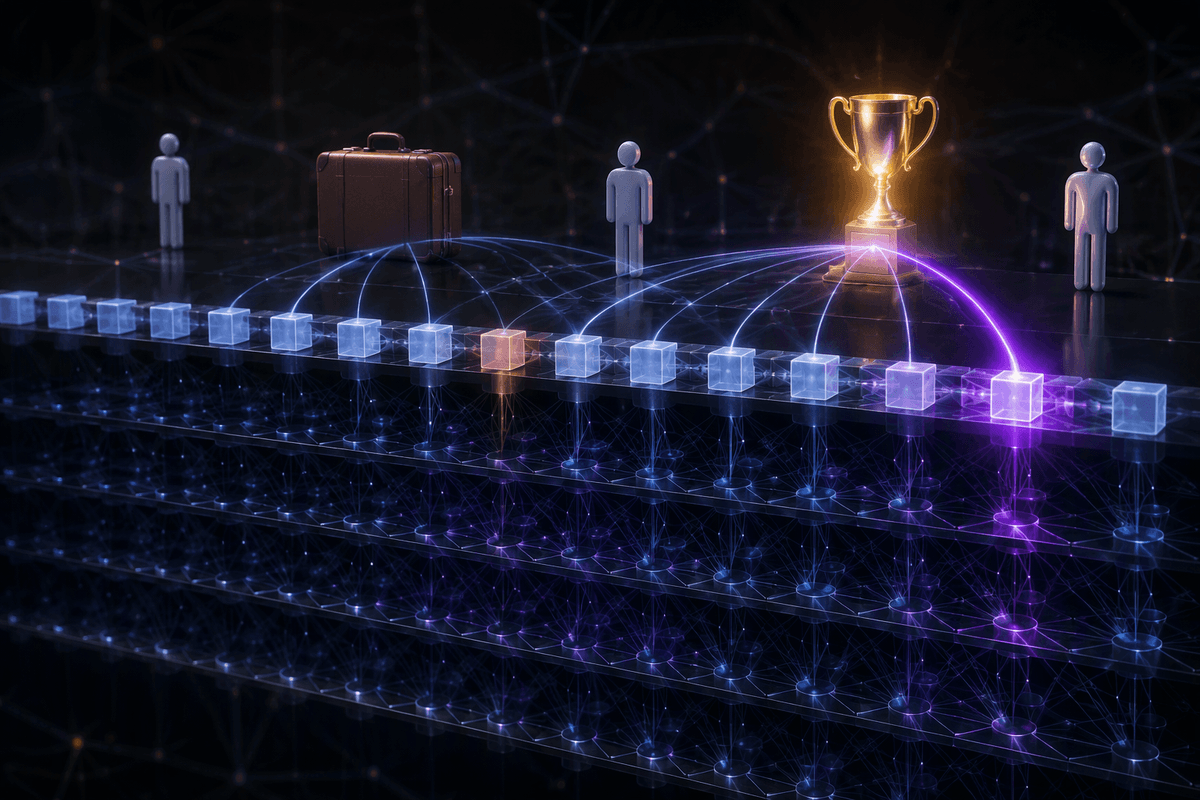
The trouble becomes clearer when a problem looks familiar but contains a small twist. A neural network may recognize the usual shape of a quadratic equation and produce a standard solution, yet miss a changed condition, an unusual notation, or a restriction on the possible answers. It can also lose track of an earlier result several steps later, especially when the wording is dense or the calculation requires repeated transformations. The response may remain polished even when the reasoning has quietly drifted.
Errors are especially difficult to detect when the system has no built-in procedure for checking its work. A guessed intermediate value can influence every later step, and a final answer that resembles a common result may receive unwarranted confidence. Asking the network to “try again” can produce a different answer, but not necessarily a more reliable one. More examples and larger models may improve performance, yet they do not guarantee consistent rule-following. That gap points toward tools designed to manipulate symbols and verify deductions directly.
The Older Tools That Never Forgot Rules

Long before modern neural networks, computer scientists built systems that treated mathematics less like a language and more like a formal rulebook. Symbolic algebra programs could manipulate equations, simplify expressions, and solve certain classes of problems by applying explicit operations. Theorem provers went further, checking whether each deduction followed from stated assumptions. A calculator did not need to “understand” a quadratic equation; it needed to execute defined procedures accurately.
That precision remains valuable. A symbolic system can preserve variables, enforce the order of operations, and reject a step that violates its rules rather than inventing a plausible replacement. It can also provide a trace of the transformations used, making errors easier to inspect. But these older tools had a serious constraint: they were often brittle. They worked well when a problem was translated into the exact formal language they expected, but struggled with ambiguous wording, unfamiliar notation, or missing assumptions. Someone still had to decide how a messy real-world question should be represented before the rules could take over.
A Hybrid Approach Combines Both Strengths
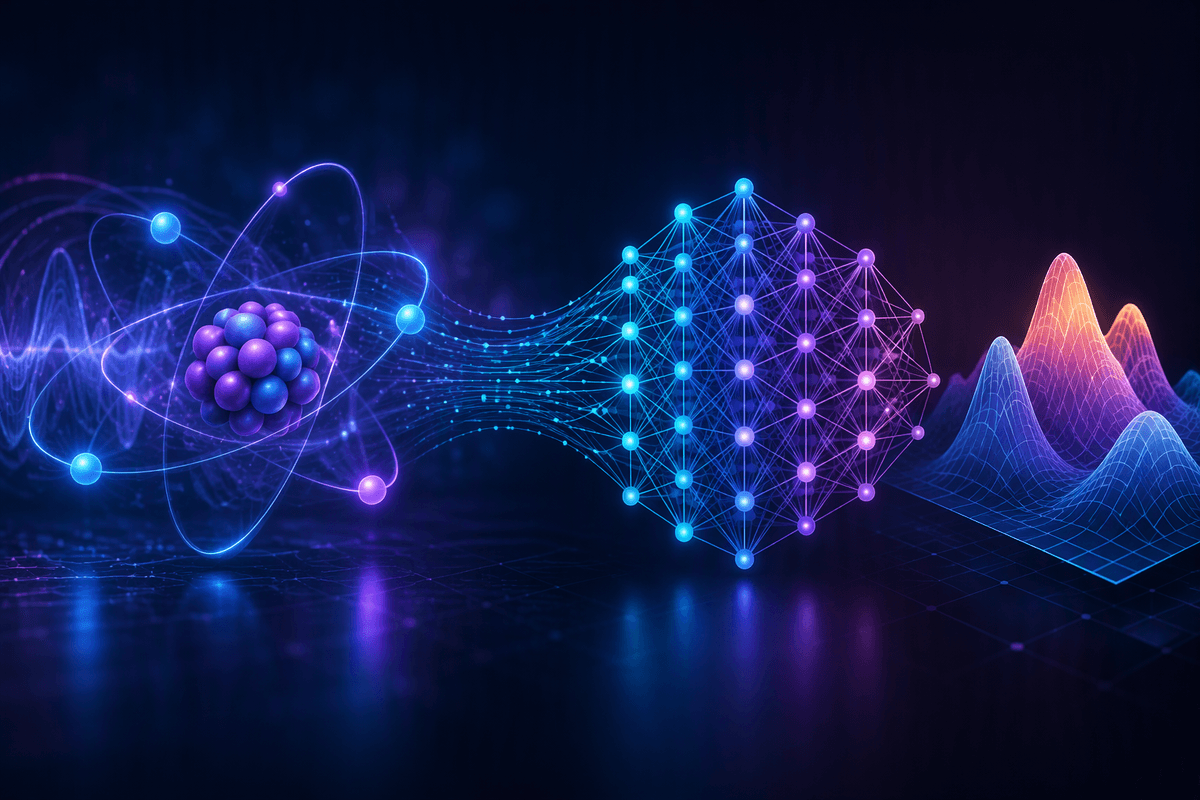
A more promising design gives each approach a different job. A neural network can read a word problem, identify the relevant quantities, and translate informal language into equations. A symbolic system can then manipulate those equations, apply exact rules, and check whether the result satisfies the original conditions. If the answer needs to be explained, the neural network can turn the formal steps back into clear everyday language. This division of labor uses flexibility where interpretation matters and precision where calculation matters.
Researchers often describe this as a hybrid or neuro-symbolic approach, but combining the parts is not as simple as connecting two programs. The translation between ordinary language and formal notation can introduce errors, especially when a question leaves assumptions unstated. A symbolic solver may also fail if the neural network gives it an incomplete or malformed representation. Even so, the arrangement creates useful checkpoints: the system can test equations, compare a proposed answer with the problem’s constraints, and flag results that do not fit. It does not produce perfect reasoning, but it makes unsupported guesses easier to detect and correct.
What This Could Change Beyond Homework
The same division of labor could matter wherever decisions depend on both messy information and exact calculations. In engineering, a neural network might interpret sensor data and suggest possible causes of a failure, while symbolic tools test whether those causes fit the physical equations. In finance, a system could extract terms from a contract, calculate obligations under different conditions, and identify assumptions that need human review. In science, it might connect patterns in experimental data with models that can be checked rather than merely described.
These uses would not eliminate human judgment. Real problems often contain incomplete measurements, uncertain assumptions, or goals that cannot be reduced to one correct answer. A formally valid calculation can still be based on poor data or the wrong model. Hybrid systems may also require significant computing resources and careful testing before people can trust them in high-stakes settings. Their practical value lies elsewhere: they can make reasoning more auditable. Instead of accepting a fluent answer, users could inspect the translation, verify the calculations, and see where uncertainty enters the process. That could improve decision-making in fields where a plausible mistake is more dangerous than an obvious one.
More Reliable Reasoning, Not Perfect Intelligence
The practical goal, then, is not an artificial mind that never makes mistakes. It is a system that makes fewer unsupported leaps and makes its remaining errors easier to find. Neural networks can help interpret flexible language and suggest useful paths, while symbolic methods can enforce rules, test results, and expose contradictions. Human reviewers still matter when the data is incomplete, the model is uncertain, or the question has no single well-defined answer.
That distinction sets a realistic standard for progress. Better reasoning may mean clearer assumptions, verifiable calculations, and honest signals of uncertainty rather than perfect intelligence. For mathematics and for many tasks beyond it, reliability comes from combining strengths—and from knowing exactly where each method can fail.