Why This AI Pioneer Matters Now
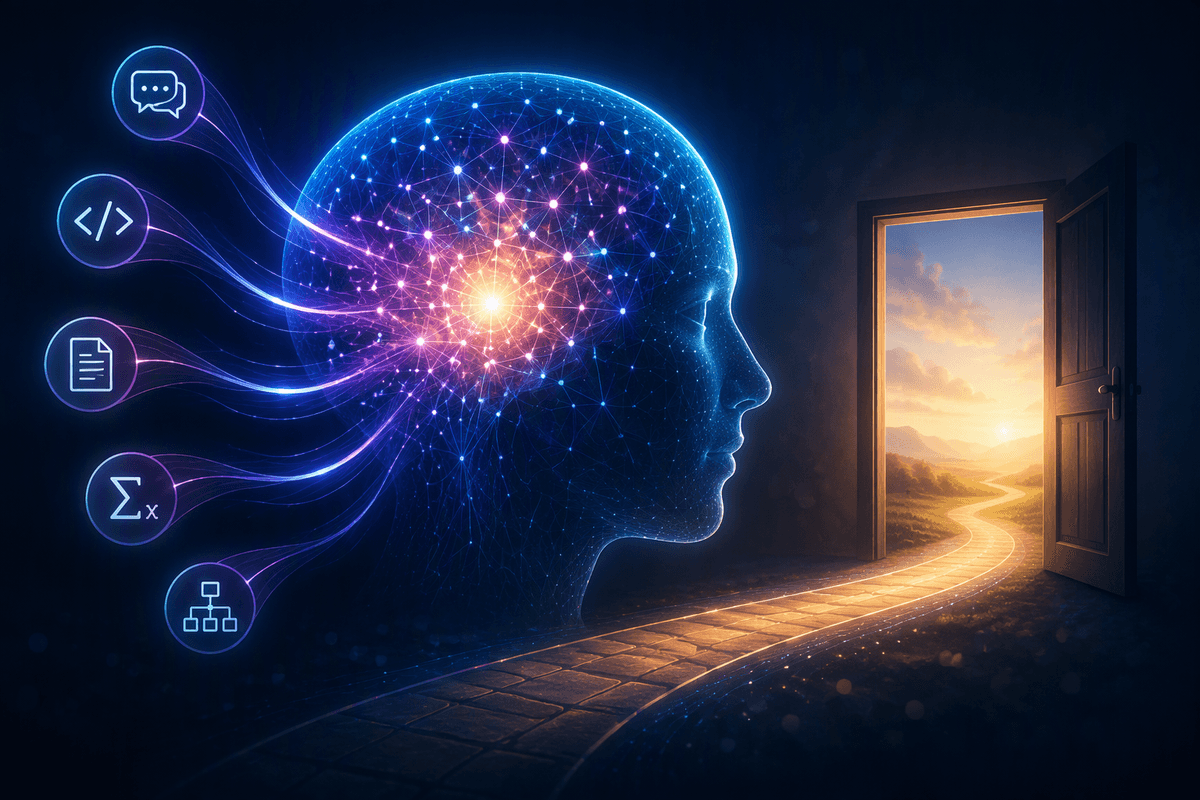
Artificial intelligence has moved from research labs into ordinary decisions about work, education, medicine, security, and communication. That shift makes the people shaping its direction more consequential than technology commentators once were. An AI pioneer is not important simply because they helped build powerful systems, but because their ideas can influence investors, governments, engineers, and the public at the same time.
This pioneer’s proposals deserve attention because they connect technical progress with larger questions about human life: who controls intelligent machines, what work remains meaningful, and whether AI should extend human abilities or eventually replace them. Some predictions may prove insightful, while others may reflect ambition, commercial interests, or assumptions that have not been tested. The useful approach is neither automatic admiration nor reflexive skepticism, but a careful examination of the evidence, incentives, and practical limits behind the vision.
The Experiences Behind the Vision
The vision usually begins with experience rather than abstract speculation. Years spent building software, studying machine learning, or watching companies adopt new tools can create a strong conviction that AI is advancing faster than institutions are prepared to handle. Early successes may reinforce that belief: a system that recognizes patterns, automates routine work, or performs tasks once reserved for specialists can make broader predictions about machine intelligence seem reasonable.
Those experiences also shape what the pioneer notices and what may be overlooked. A technology leader working close to research and investment is likely to see falling costs, rapid improvements, and new commercial opportunities before most people do. That proximity can provide valuable insight, but it can also narrow the perspective. Workers facing job loss, communities with limited access to technology, and regulators responsible for public safeguards may experience the same changes differently. The pioneer’s background therefore helps explain both the ambition of the proposals and the assumptions behind them. Understanding that history does not prove the vision correct, but it reveals why these particular claims feel urgent, achievable, or necessary to the person making them.
What They Believe AI Will Change

The central claim is that AI will change more than the speed of existing tasks. It could alter how people learn, work, make decisions, and create new products. A student might rely on an AI tutor that adapts to individual weaknesses, while a small business could use software that handles research, design, customer service, and basic administration. In medicine and science, advanced systems may help identify patterns that human experts miss. From this perspective, AI becomes a general-purpose layer across daily life rather than a tool limited to one industry.
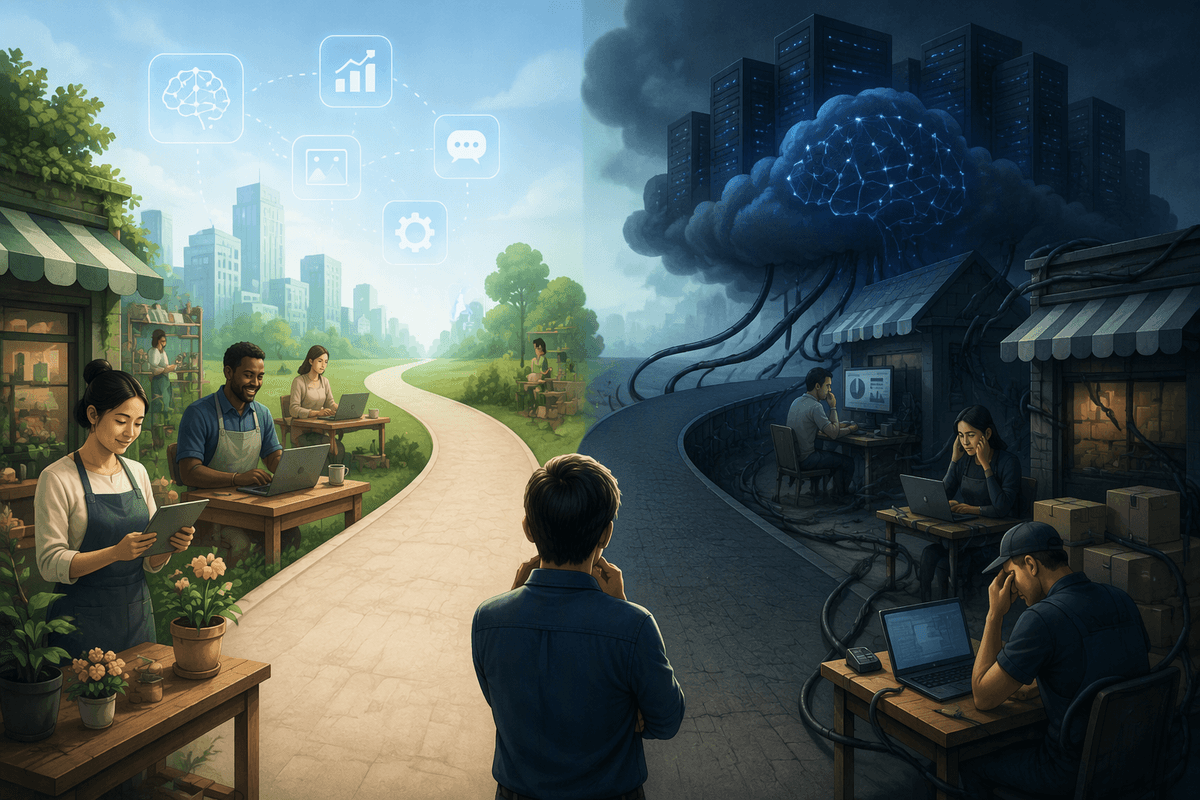
That shift could bring greater access to expertise, lower the cost of many services, and allow people to focus on judgment, relationships, and creative direction. It could also weaken the value of skills that once provided stable employment, especially when systems perform routine analysis, writing, coding, or coordination. The outcome will depend on who owns the systems, how reliable they are, and whether education and public policy adapt quickly enough. More capable AI may expand human choice, but it may also concentrate power among organizations that control the data, computing resources, and infrastructure required to operate it.
The Provocative Plans for Humanity
The most provocative proposals go beyond using AI to improve existing institutions. The pioneer may imagine systems that help people live longer, solve major scientific problems, or make expertise available to everyone at very low cost. In more radical versions, AI could become a partner in governing complex societies, help design new forms of education and work, or support humans as they merge with technology. The underlying idea is that intelligence itself could become abundant, changing what people consider scarce, valuable, or necessary.
These plans are appealing because they address problems that ordinary politics and markets have struggled to solve. Yet they also raise difficult questions about control and consent. If AI systems help make medical, economic, or political decisions, who sets their goals and who can challenge their conclusions? If machines perform most productive work, how will income, status, and purpose be distributed? Even a beneficial system could create dependence on a few companies or governments. The vision is therefore not simply a promise of progress. It is a proposal to reorganize major parts of human life, and its success would depend on governance, access, and safeguards as much as on technical capability.
Where the Vision Meets Real Constraints

A plan can sound technically plausible and still fail when it meets the conditions of ordinary life. AI systems require enormous computing power, reliable data, skilled workers, and steady access to electricity. Those resources are expensive and unevenly distributed. A tool that appears inexpensive to users may still depend on infrastructure controlled by a small number of companies, making broad access vulnerable to pricing decisions, shortages, or political pressure.
Performance also remains uneven. An AI system may produce impressive results in a laboratory or polished demonstration while making confident errors in medical advice, legal analysis, or business decisions. Human oversight can reduce those risks, but oversight is not free, and people may accept automated recommendations too quickly when they are under time pressure. The safeguards can prevent abuse, yet slow rules may struggle to keep pace with rapidly changing systems. There are also social limits that technical progress cannot solve alone. Workers need retraining, institutions need accountability, and the public must agree on acceptable uses. These barriers do not make the pioneer’s vision impossible, but they make its outcome dependent on implementation rather than prediction alone.
Hope, Warning, or Personal Agenda?
The same proposal can be read as hope or warning depending on what the reader emphasizes. Greater access to intelligence could help people overcome educational, medical, and economic disadvantages. But promises of abundance may understate who bears the transition costs. A worker displaced by automation cannot pay rent with the long-term possibility of cheaper services, and a community affected by surveillance may not accept efficiency as a sufficient justification.
A pioneer who founded companies, attracts investment, or promotes a particular technology has reasons to present rapid AI progress as both inevitable and desirable. That does not make the claims false, but it means public optimism may overlap with commercial strategy, status, or a desire to shape regulation. The strongest evaluation separates the vision’s evidence from its storyteller. Readers should ask which predictions are supported by demonstrated capabilities, which depend on uncertain social changes, and who gains influence if the proposed future becomes the default. Skepticism is most useful when it tests assumptions without dismissing genuine possibilities.
What Readers Should Take From It
The most useful response to the pioneer’s vision is disciplined curiosity. Readers can acknowledge that AI may expand access to expertise, improve scientific work, and change employment while still asking how reliable the systems are, who controls them, and who absorbs the costs. A bold prediction deserves evidence, not applause simply because it sounds ambitious.
The practical lesson is to judge each claim on three levels: what current systems can demonstrate, what future advances would be required, and what social arrangements would make the result fair or safe. AI may bring genuine benefits, but its effects will be shaped by ownership, regulation, public choices, and everyday adoption. The future is not only something pioneers predict; it is something institutions and citizens help decide.