Why Mathematical Work Is Ready to Change
A mathematician’s day already includes many tasks that are repetitive, formal, or dependent on searching large bodies of existing work. Checking algebraic steps, testing examples, exploring cases, formatting proofs, and verifying whether an argument follows established rules can consume substantial time before a genuinely new idea appears. These are precisely the activities that symbolic software, theorem provers, and language-based AI systems are becoming better at supporting.
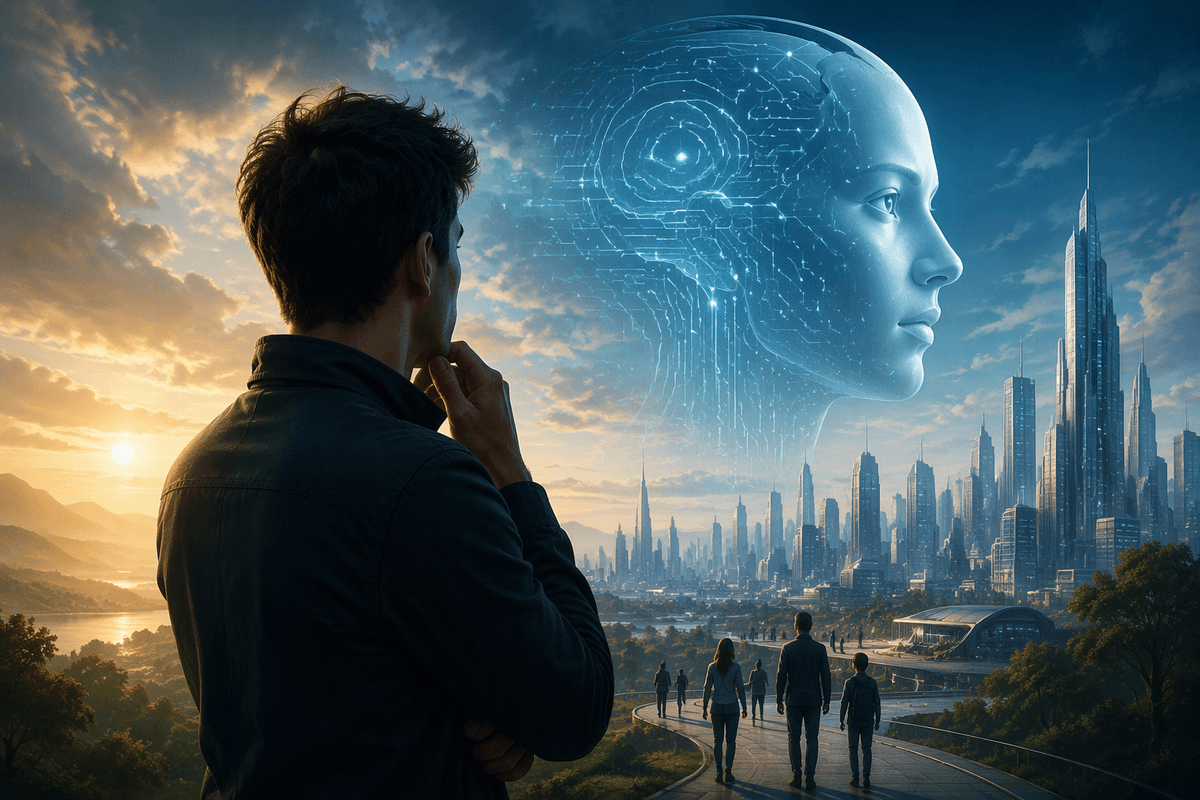
That does not make mathematical research an easy target for full replacement. Automated systems often struggle to choose worthwhile questions, recognize why a pattern matters, or judge whether a proof reveals a useful concept rather than merely establishing a result. They can also produce plausible but invalid reasoning, creating verification costs of their own. The likely change is therefore not the disappearance of mathematical work, but a shift in where mathematicians spend their attention: less routine manipulation, and more problem selection, interpretation, and judgment.
What Automation Already Handles Well
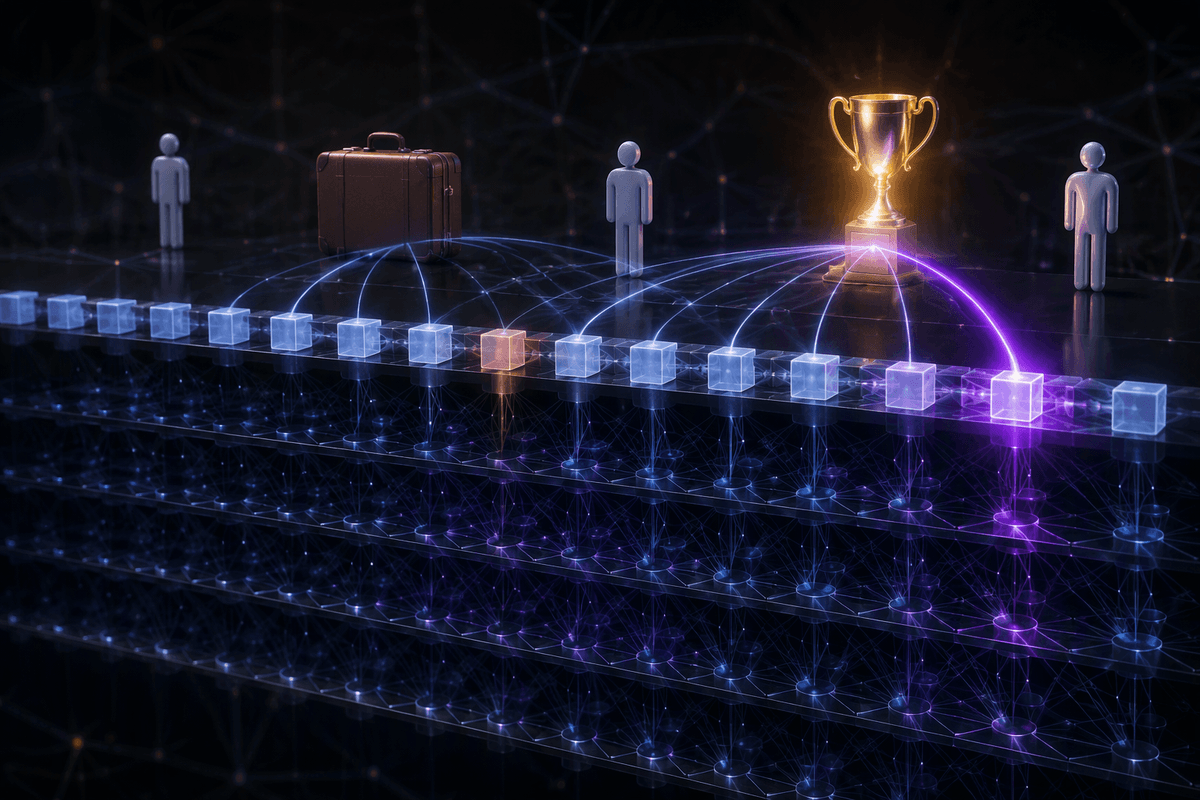
The clearest gains appear where mathematical work follows explicit rules. Symbolic systems can expand expressions, solve many classes of equations, differentiate and integrate standard functions, and simplify formulas faster than a person working by hand. Computer algebra is especially useful for checking routine transformations across thousands of cases, while numerical software can test conjectures, search parameter ranges, and reveal patterns that would be difficult to see from a few examples.
Formal theorem provers handle another well-defined layer. Once a claim has been translated into a precise formal language, they can verify whether each step follows from the stated definitions and assumptions. This makes them valuable for detecting small gaps in long proofs and for confirming results that are too intricate for reliable manual checking. Automated search can also find proofs in restricted domains by combining known lemmas or trying possible intermediate steps.
These tools work best when the task is already specified. They may quickly explore an enormous space of calculations, but someone still has to decide which space is worth exploring, interpret an unexpected result, and pay the cost of translating informal mathematical ideas into a form a system can process.
Where Human Mathematical Judgment Still Matters

A useful distinction is between solving a problem and deciding what counts as a good problem. A system may generate several proofs of a theorem, but a mathematician must assess whether the result clarifies a broader structure, connects separate areas, or merely confirms an isolated fact. The same judgment applies before formalization: promising questions often begin as vague observations, analogies, or apparent contradictions that do not fit neatly into predefined rules.
Human judgment also matters when assumptions are incomplete or the objective is unclear. An automated proof can be correct within its formal system while relying on definitions that make the result uninteresting, impractical, or misleading outside that setting. Researchers must choose useful abstractions, identify hidden conditions, compare competing explanations, and communicate why a result matters. These decisions draw on experience with examples, counterexamples, and the habits of a research community, not just logical deduction.
Developing intuition and checking machine-generated work can take as much time as traditional calculation, especially when the system’s reasoning is difficult to interpret. Automation may reduce routine labor, but it can also raise the standard for mathematical oversight.
The New Partnership Between Mathematicians and Machines
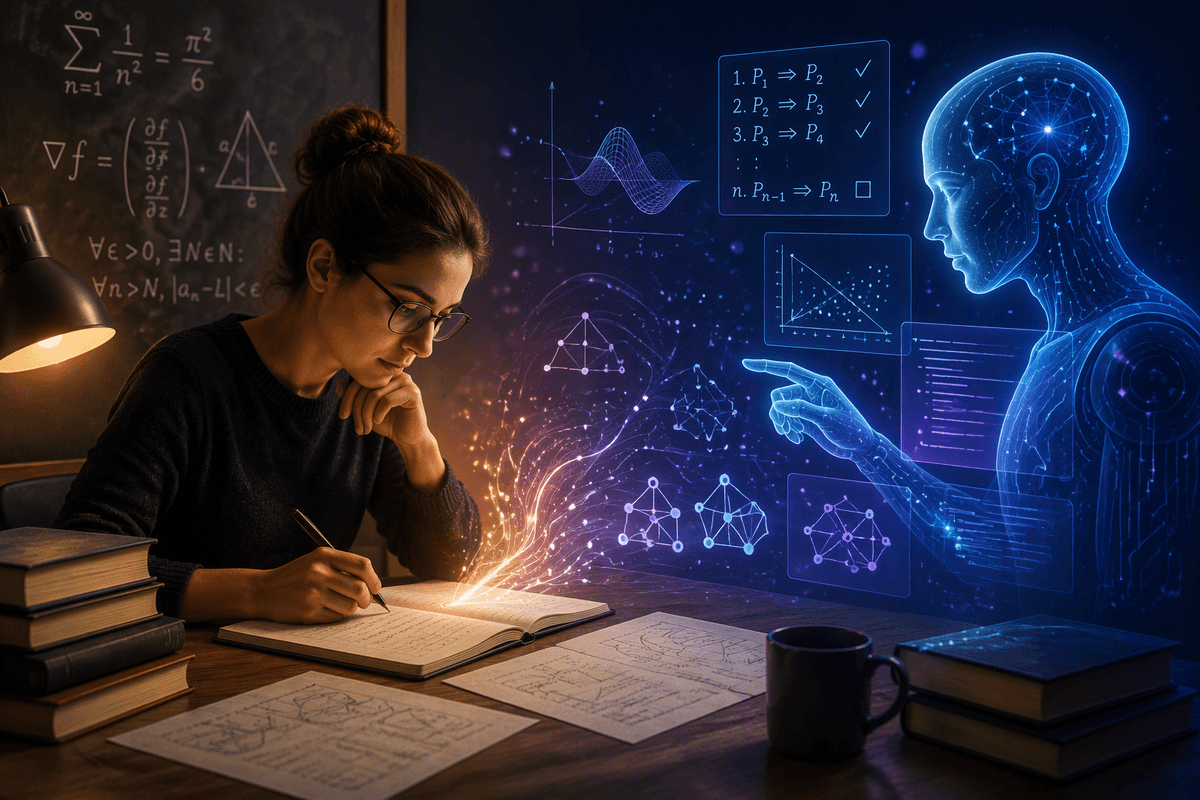
The most productive arrangement may resemble a research team rather than a replacement system. A mathematician could describe a tentative idea in ordinary language, ask an AI system to identify related results or test simple cases, then use symbolic tools to examine consequences and a theorem prover to check a formal version. Each tool would handle a different layer of the work, while the mathematician would decide how the pieces fit together and whether the original question should be revised.
This division could shorten the path from intuition to reliable evidence. A researcher exploring a new pattern might receive candidate examples, counterexamples, relevant lemmas, and possible proof strategies within minutes. That wider search could expose connections that a person would otherwise miss. It could also make collaboration easier by turning informal ideas into drafts that others can inspect and formalize.
Yet the partnership introduces coordination problems. Moving between informal explanations, computer algebra, and formal proof languages can create errors or duplicated effort. Systems may suggest many technically valid directions without indicating which one deserves sustained attention. Human oversight therefore remains central, but its focus shifts toward directing searches, comparing explanations, and converting machine output into mathematics that other people can understand and trust.
Trust Becomes the Hardest Mathematical Problem
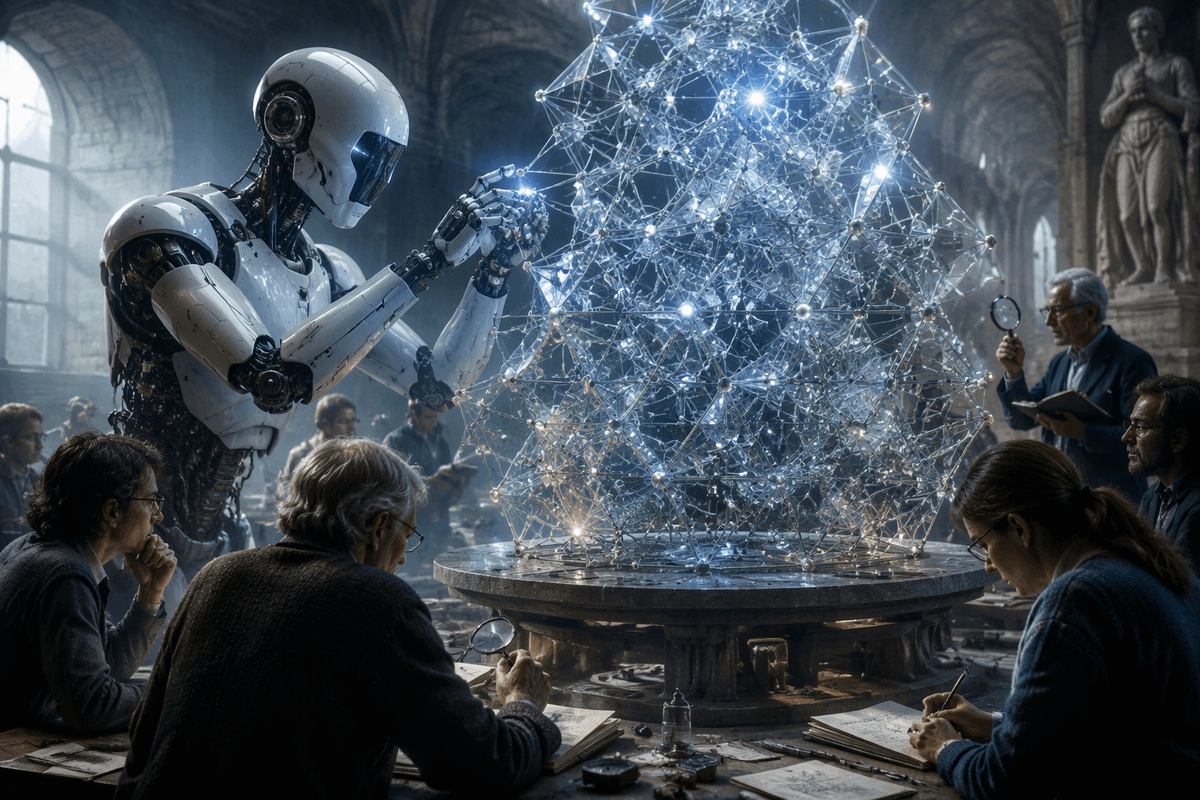
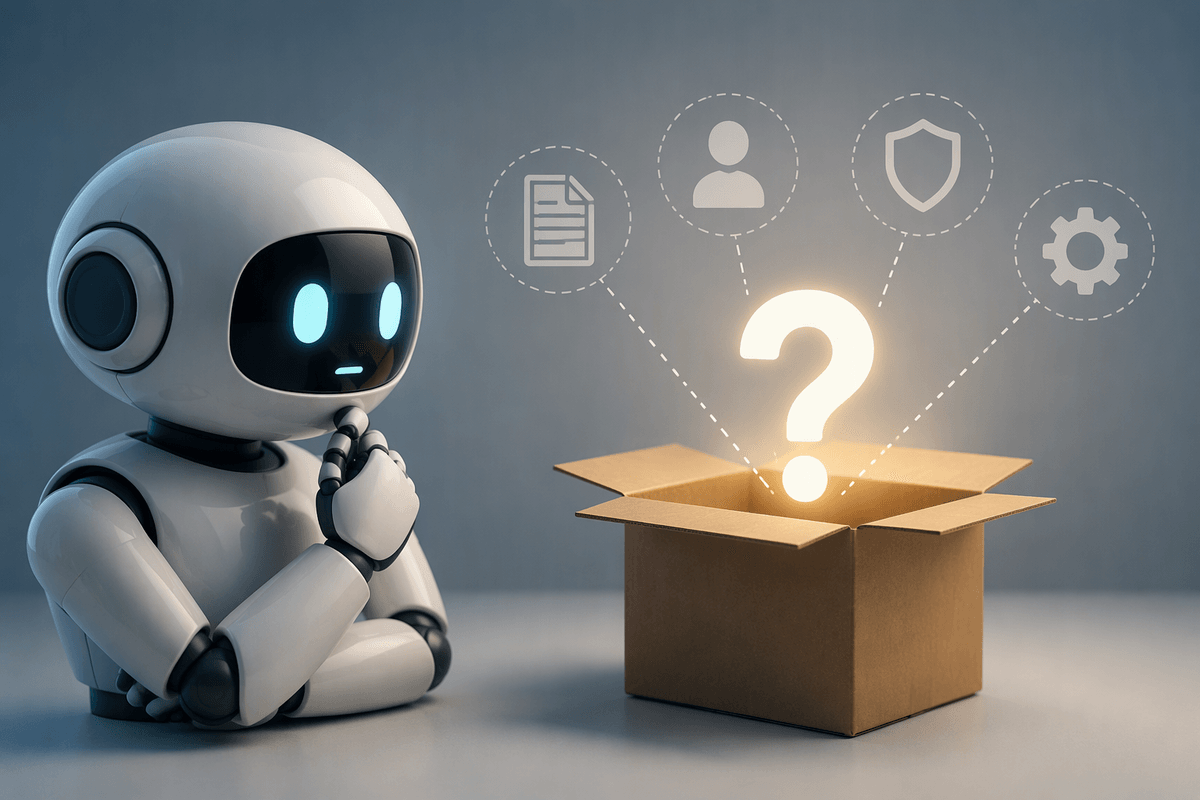
When a machine produces a proof, the central question is no longer only whether the conclusion is true. Researchers also need to know what the system assumed, which definitions it used, and whether its formal steps correspond to the intended mathematical argument. A proof assistant can establish validity inside a formal framework, but that framework may omit a condition that matters in application or encode a statement more narrowly than its informal wording suggests.
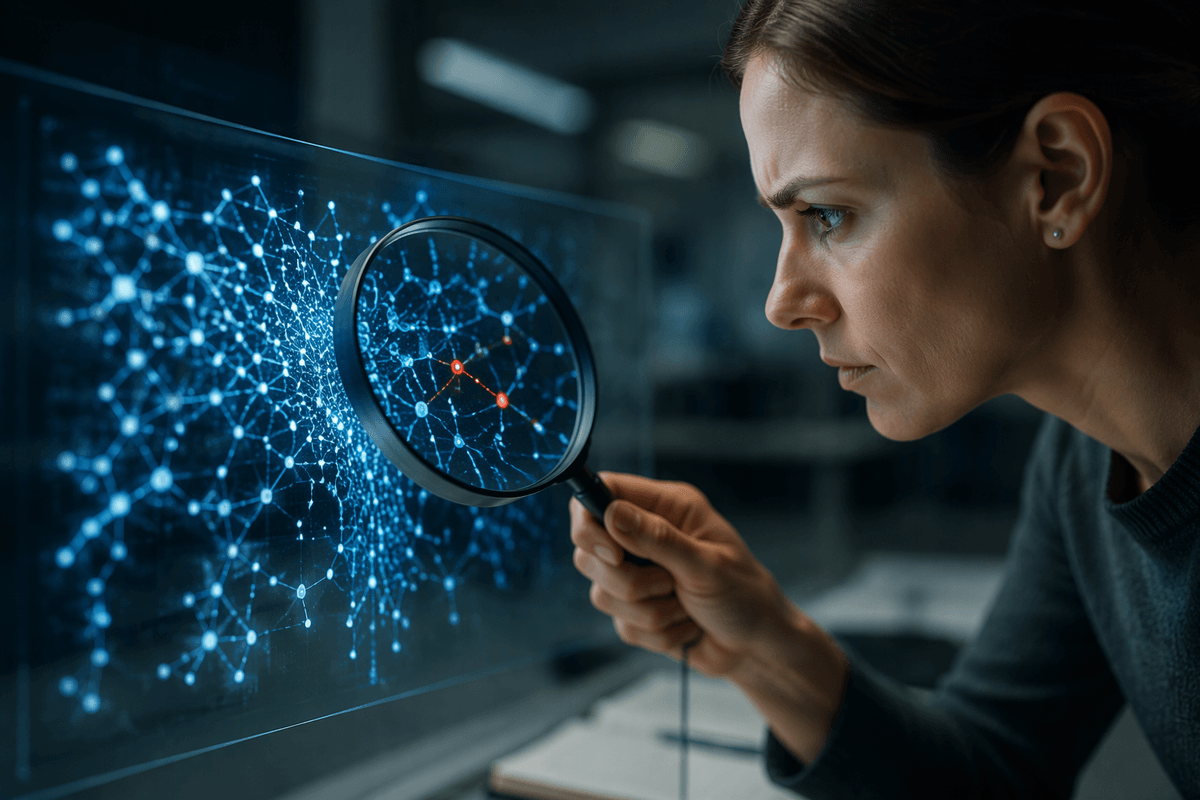
This creates a new form of mathematical labor: auditing the path from idea to verified result. Trust depends on reproducible software, clear formalizations, independent checks, and explanations that humans can inspect. An AI-generated argument that cannot be interpreted may still be useful as a search result, but it is harder to publish, teach, or build upon. Verification also has practical limits. Formalizing a sophisticated proof can require substantial time, specialized expertise, and maintenance when libraries or definitions change. Automation therefore shifts the burden rather than eliminating it: mathematicians may calculate less, but they must become more careful judges of evidence, assumptions, and meaning.
How Training and Careers Could Shift
Training may place less emphasis on carrying out long calculations by hand and more on choosing representations, testing assumptions, and checking machine-produced arguments. Students would still need fluency with core concepts, because reliable use of automated tools depends on recognizing when a result is impossible, incomplete, or based on the wrong model. They may also need basic skills in programming, formal proof systems, data interpretation, and explaining mathematical reasoning across technical and nontechnical settings.
Career paths could become more varied rather than simply smaller. Some mathematicians may specialize in designing conjecture-search systems, building formal libraries, or auditing automated proofs. Others may work between mathematics and fields such as physics, cryptography, economics, or machine learning, where the ability to translate practical questions into precise structures remains valuable. Entry-level work could change most sharply if routine derivations and verification are automated, reducing opportunities to learn through repetitive exercises. The newcomers may be expected to exercise judgment before they have had enough time to develop it. Institutions may therefore need apprenticeships, supervised tool use, and assessments that reward interpretation rather than polished answers alone.
Mathematics May Become More Exploratory
When routine derivations and proof checks take less time, mathematicians may be able to investigate more possibilities before committing to one approach. A researcher could test unusual examples, compare competing models, or follow a connection between distant fields without spending weeks on preliminary calculations. This may make mathematical work more exploratory: less focused on completing a known chain of steps, and more focused on discovering which questions deserve a chain of steps at all.
The benefit will depend on disciplined use. Automated systems can generate attractive patterns that disappear under closer testing, and abundant suggestions can make it harder to choose a direction. Human mathematicians will still need to filter results, develop explanations, and decide what counts as insight. The likely future is therefore not mathematics without people, but mathematics with a wider search space—provided researchers preserve time for judgment, verification, and understanding.